As global challenges continue to emerge, people in the twenty-first century are pursuing research and development and the spread of modern technologies in many sectors to reduce future risks.
Among the State Administration Council’s nine objectives, an economic objective calls for modernising agriculture and livestock involving all ethnic communities for national prosperity and food security, while developing other economic sectors comprehensively. Modern agricultural and livestock systems are therefore needed for future prosperity and food security.
Building agro-based industry is particularly important for stable, sustainable agriculture. Internal migration and urban development reduce the agricultural workforce and limit available land, creating challenges for sustainability. Related industrial production may decline, making the outlook for prosperity and food security uncertain.
Countries use information and communications technology to balance economic and social development for future communities. Integrating modern ICT into agriculture and livestock has an important role in this effort.
Myanmar has approximately 18.3 million hectares of cultivable land, but is heavily affected by climate change and extreme weather. Agriculture and livestock should therefore be developed in conjunction with modern ICT.
Traditional agriculture faces five challenges. ICT-based agriculture is not simply a new method; it combines agricultural data and techniques through programmes for using, providing and sharing data. It transforms digital applications through industrial robotics and artificial intelligence.
Labour Shortages
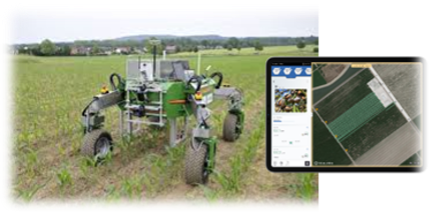
Myanmar’s agriculture-based economy has substantial labour requirements. Shortages during seasonal planting and harvesting make it necessary to expand the use of small agricultural robots.
Farm robotics and automation use internet-based control to reduce labour needs in commercial farming.
They also save working time and wages, improve planting and harvesting performance and allow remote visual control of robotic movement. Neural networks, advanced cameras and sensors, and improved batteries combine to offer an advanced alternative for routine farm tasks.
Reducing Livestock Losses
Traceability systems help monitor animals’ temperature, activity and feeding times and support disease prevention and control.
Growing demand for milk, dairy products and meat is a challenge for developing countries. Food security depends not only on increased production but on sustaining it. Livestock must be protected for future generations, including reducing premature deaths caused by extreme weather.
Electronic ear tags containing microchips store animal information for direct livestock management. Compared with other recording methods, they offer a simple, affordable and reliable internet-based solution that retains information in cloud databases, supports treatment and reduces manual work.
Soil Degradation
Rising temperatures, sea-level rise, salinisation and ecosystem disruption affect soil’s biological, chemical and physical properties. Soil sustains plants and animals and must be protected and restored.
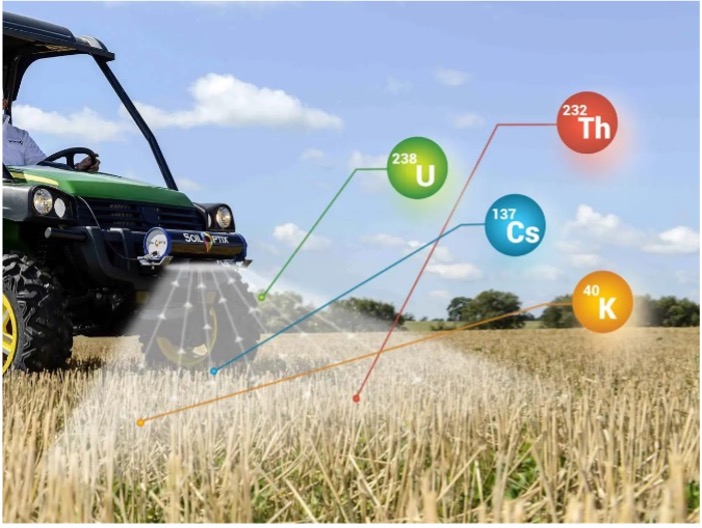
Soil monitoring and mapping use ecosystem data to support biological processes and climate adaptation and mitigation for sustainable farmland.
Electronic soil sensors measure composition and provide research information on physical and chemical properties, temperature and vegetation. Soil scientists can then combine fertilisers, organic matter and carbon to restore land degraded by conventional practices.
Limited Land
Rapid urban growth constrains agricultural land. Efficient use of land resources is essential for profitable production and farmers’ goals.
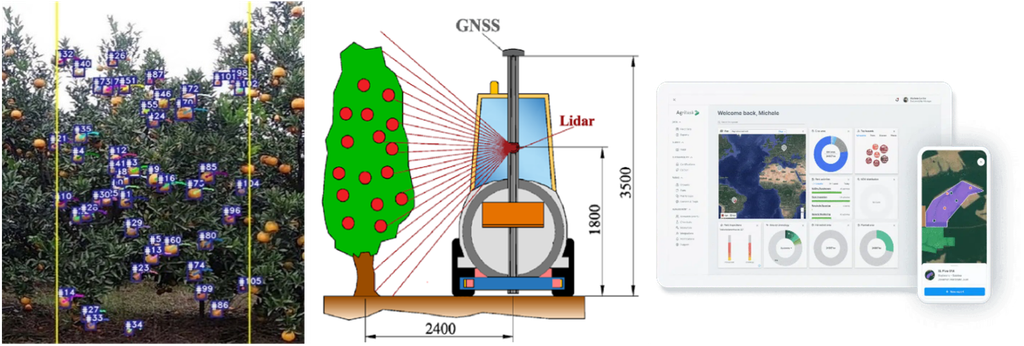
To feed a projected nine billion people by 2050, the article describes a need for 60% more production over three decades. Modern methods can reduce the need for additional farmland and lower costs. AI-based yield analysis can evaluate and cultivate each area systematically, reduce idle land and increase yields. The technology combines hyperspectral imaging with LiDAR 3D systems and GNSS receivers mounted on moving farm machinery. Sensors scan crops in two dimensions to estimate yield and plant size up to the canopy and inform land requirements. Higher productivity effectively makes more land available to farmers.
Water Scarcity
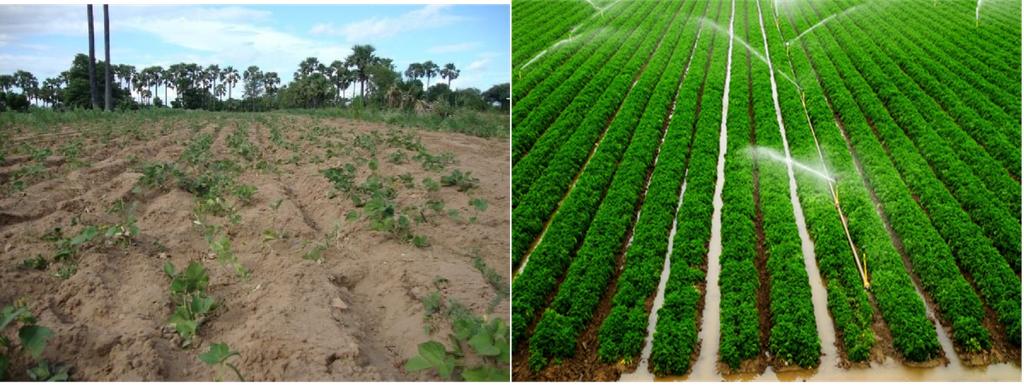
Myanmar often experiences reduced rainfall early and midway through the wet season, later monsoon onset and earlier withdrawal, shortening the rainy season. The article gives general rainfall figures of 200 mm in May, over 300 mm in September and about 400 mm in June, July and August, underscoring the need for training in water-saving irrigation.
Saving irrigation water can reduce methane emissions, groundwater extraction and the diesel energy required for pumping. Selecting the right irrigation system is therefore important. Failure to understand actual crop water needs can reduce yields or cause complete losses. Roots absorb nutrients, and analysis of plant tissues and irrigation–fertilisation cycles can identify water requirements. Smart sensors and cloud-stored data can control automated water release to agricultural zones in rotation without manual intervention, reducing consumption.
Although global food production has increased, population growth and climate disruption challenge future food security. Adopting innovative ICT methods can improve the future of agriculture and livestock and support comprehensive development in other economic sectors.
Reference: An article by Mr Taku Eto, Japan’s Minister of Agriculture, Forestry and Fisheries, published in Open Access Government in July 2020.
Nyi Naung (PTD)